Durian Export Requirements from Vietnam (2026 Guide)
13/04/2026 | Tác giả: Admin
Introduction
Vietnam has rapidly become one of the world’s leading exporters of durian, especially to Asian markets such as China and South Korea.
However, importing durian from Vietnam is not simply about finding a supplier. Buyers must understand strict quality standards, food safety regulations, and export requirements to ensure smooth customs clearance and consistent product quality.
This guide explains everything you need to know before importing durian from Vietnam.
1. National Quality Standards for Vietnamese Durian
Vietnam is currently developing a new national standard (TCVN 2025) for fresh durian to strengthen quality control and build a strong export reputation.
According to the draft standard , exported durian must meet the following requirements:
Basic Quality Requirements
- Fruits must be fresh, intact, and clean
- No visible pests or diseases
- No rotting or damaged fruit allowed
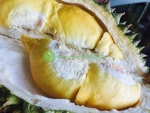
- No abnormal pulp conditions such as:
- Hard or underdeveloped flesh
- Brown or burnt pulp
- Watercore (excess moisture inside)
 Total defects must not exceed 5% of edible portion
Maturity & Harvest Standards
Durian must be harvested at the correct maturity stage depending on the variety and region:
- Ri6:
- 85–100 days after flowering (Southern Vietnam)
- 110–120 days (Central Highlands)
- Dona (Monthong type):
- 110–130 days (South)
- 125–135 days (Highlands)
Proper maturity is critical for:
- Taste quality
- Shelf life during export
Physical & Chemical Standards
Export-quality durian must meet minimum thresholds:
- Dry matter:
- Ri6 ≥ 32.29%
- Dona ≥ 32.22%
- Sugar content (Brix):
- Ri6 ≥ 16.04
- Dona ≥ 16.07
These indicators ensure:
- Rich flavor
- Market acceptance
2. Food Safety and Residue Requirements
To be accepted in international markets, Vietnamese durian must comply with strict food safety standards:
Pesticide Residue Limits
- Must comply with Vietnam regulations and importing country standards
- Especially strict for China market
Heavy Metal Limits
- Lead (Pb)
- Cadmium (Cd)
- Mercury (Hg)
- Arsenic (As)
Products exceeding limits will be rejected at customs
Microbiological Safety
- Must meet hygiene and contamination standards
- No harmful microorganisms allowed
3. Traceability and Plantation Code (Critical Requirement)
One of the most important requirements for export, especially to China:
Plantation Code (Growing Area Code)
- Mandatory for export
- Allows authorities to trace:
- Origin farm
- Pesticide usage
- Farming practices
Packing House Code
- Each shipment must be linked to:
- Approved packing facility
- Registered exporter
Without these codes, shipments cannot be cleared for import
4. Packaging and Labeling Requirements
Durian must be packed carefully to maintain quality during transportation:
Packaging Standards
- Clean, dry, and odor-free materials
- Strong enough to prevent damage
- Ventilated (carton boxes or plastic crates)
Labeling Requirements
Each package must include:
- Product name
- Origin (Vietnam)
- Variety (Ri6, Dona, etc.)
- Exporter information
- Traceability codes
Packaging must also comply with international food labeling standards
5. Export Process from Vietnam
A typical durian export process includes:
- Sourcing from certified farms
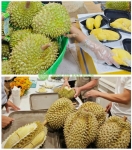
- Sorting and grading by quality
- Cleaning and inspection
- Packing and labeling
- Phytosanitary certification
- Customs clearance
- Shipping (sea or air)
Shipping is typically handled via sea or air, depending on volume and destination. Contact us for tailored export and logistics support.
6. Main Export Markets
China (Largest Market)
- Accounts for the majority of Vietnam’s durian exports
- Requires strict compliance:
- Plantation codes
- Residue standards
- Full documentation
Other Markets
- South Korea
- Australia
- Thailand (re-export and trade)
Demand continues to grow due to:
- Supply gaps from Thailand
- Competitive pricing from Vietnam
7. Common Challenges for Importers
Buyers importing durian from Vietnam may face:
- Inconsistent quality between suppliers
- Logistics delays
- Compliance issues (codes, documents)
- Temperature control during shipping
Choosing a reliable supplier is critical
8. Why Source Durian from Vietnam?
Vietnam offers several advantages:
- Competitive pricing compared to Thailand
- Longer harvest season
- Rapidly improving quality standards
- Strong supply capacity
 Looking for a Reliable Vietnam Durian Supplier?
If you are sourcing durian for import or wholesale distribution, working with a trusted supplier is essential.
 Contact us via WhatsApp +84976921489 or email hotrokhachhang@nongsanbanbuon.com to get:
- Latest durian prices
- Available varieties (Ri6, Dona)
- Export-ready supply
Learn more in our Vietnam Durian Guide: Varieties, Harvest Season, Export and Market Overview.